Category: Education

  • Purposeful Partnerships That Create Lasting Impact for Young People

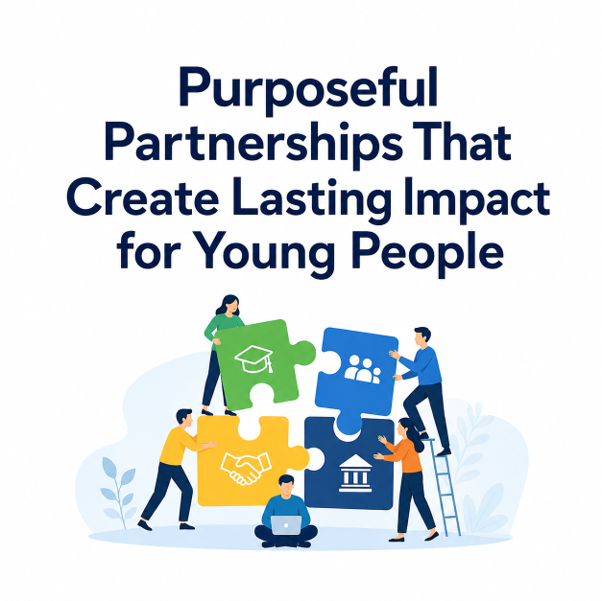
    Purposeful Partnerships That Create Lasting Impact for Young People

    Creating stronger communities doesn’t happen through one organisation working alone. It happens through purposeful partnerships that bring together schools, businesses, community organisations, governments, and not-for-profits to create meaningful opportunities for young people. By combining knowledge, resources, and shared goals, these partnerships deliver long-term outcomes that help young people build confidence, develop life skills, and reach their full potential.

    Alongside collaboration, donations for youth also play an important role in supporting programs, expanding community initiatives, and ensuring more young people can access the opportunities they deserve. Together, purposeful partnerships and community support create a stronger foundation for lasting social impact.

    At Creating Chances, we believe sustainable change begins when organisations work together with a shared purpose. Every partnership contributes to healthier communities, greater inclusion, and brighter futures for young people.

    What Are Purposeful Partnerships?

    Purposeful partnerships are long-term collaborations built around shared values and measurable community outcomes. Rather than focusing on one-off projects or sponsorships, they bring organisations together to solve challenges, create opportunities, and deliver lasting benefits for young people.

    These partnerships often involve collaboration between:

    • Schools and education providers
    • Businesses and corporate organisations
    • Community groups
    • Government agencies
    • Not-for-profit organisations

    When every partner contributes their unique strengths, they create programs that support young people both today and into the future.

    Why Purposeful Partnerships Matter for Young People

    Young people face a range of social, educational, and personal challenges. While individual organisations can make a difference, lasting impact is created when multiple sectors work together towards the same goal.

    Purposeful partnerships help create:

    • Greater access to youth development programs
    • Safe and inclusive environments
    • Leadership and wellbeing opportunities
    • Stronger community connections
    • Better educational outcomes
    • Increased confidence and resilience

    By combining expertise and resources, organisations can create opportunities that continue to benefit young people long after a program has finished.

    How Purposeful Partnerships Strengthen Communities

    Communities become stronger when organisations collaborate instead of working independently. Each partner brings different knowledge, experience, and resources that help create more effective youth programs.

    Schools

    Schools provide trusted environments where students can access wellbeing, leadership, and personal development programs while building stronger connections within their community.

    Businesses

    Businesses contribute through mentoring, employee volunteering, workplace experiences, funding, and professional expertise that prepare young people for future success.

    Community Organisations

    Local organisations understand the needs of their communities and help ensure programs remain accessible, inclusive, and relevant for young people from diverse backgrounds.

    Government and Local Councils

    Government agencies and councils help expand community initiatives through strategic support, enabling youth programs to reach more schools and communities.

    Together, these purposeful partnerships create opportunities that improve outcomes for young people while strengthening the communities they belong to.

    What Makes a Partnership Successful?

    Successful partnerships are built on trust, shared responsibility, and a long-term commitment to creating positive outcomes.

    The most effective partnerships share several key characteristics:

    • A shared vision for community impact
    • Clear goals and responsibilities
    • Open communication
    • Long-term collaboration
    • Measurable outcomes
    • A genuine commitment to supporting young people

    Rather than focusing on short-term results, purposeful partnerships create sustainable change that continues to benefit future generations.

    Ways Organisations Can Support Young People

    Every organisation has something valuable to contribute. Support goes far beyond financial assistance and can create meaningful opportunities for young people in many different ways.

    Organisations can make a difference through:

    • Employee volunteering
    • Youth mentoring programs
    • Skills-based workshops
    • Leadership development initiatives
    • Career readiness and workplace experiences
    • Community events
    • Resource sharing
    • Strategic collaboration

    Whether large or small, every contribution helps create stronger support networks for young people and their communities.

    How Donations for Youth Support Purposeful Partnerships

    While purposeful partnerships provide the expertise, collaboration, and people needed to deliver impactful programs, donations for youth help ensure those programs continue to grow and reach more young people.

    Financial support allows community organisations to:

    • Expand youth development programs
    • Deliver wellbeing initiatives in more schools
    • Provide resources and learning opportunities
    • Reach communities with limited access to support
    • Create long-term positive outcomes for young people

    When organisations combine partnership opportunities with donations for youth, they help create sustainable programs that continue making a difference year after year.

    Why Organisations Partner with Creating Chances

    Creating Chances works with schools, businesses, government agencies, and community organisations to empower young people through sport, education, and wellbeing programs.

    Our partnership approach focuses on creating measurable community impact through collaboration, innovation, and long-term relationships.

    Organisations choose to partner with Creating Chances because we offer:

    • Evidence-based youth development programs
    • Strong relationships with schools and communities
    • Proven experience delivering social impact
    • Tailored partnership opportunities
    • Transparent collaboration and measurable outcomes
    • A shared commitment to helping young people thrive

    Every partnership is built around one goal—creating opportunities that help young people build confidence, resilience, and brighter futures.

    Create Lasting Change Through Purposeful Partnerships

    Meaningful change happens when organisations come together with a shared purpose. By investing time, expertise, and resources into purposeful partnerships, businesses, schools, governments, and community organisations can create opportunities that have a lasting impact on young people and their communities.

    Whether through mentoring, volunteering, collaborative programs, or donations for youth, every contribution plays a role in building stronger, more connected communities.

    Together, we can create opportunities that empower young people today while shaping a brighter future for generations to come.


  • Learn Child Assessment Using Foundations of Behavioral, Social, and Clinical Assessment of Children (7th Edition) eBook

    Learn Child Assessment Using Foundations of Behavioral, Social, and Clinical Assessment of Children (7th Edition) eBook

    The “Foundations of Behavioral, Social, and Clinical Assessment of Children (7th Edition)” eBook serves as an essential resource for professionals dedicated to the nuanced field of child assessment. This comprehensive guide is meticulously designed to equip practitioners with the knowledge and skills necessary to evaluate children accurately across various domains. It integrates behavioral, social, and clinical perspectives into a cohesive framework that enhances understanding and application in real-world settings.

    A cornerstone of this eBook is its emphasis on a multidimensional approach to child assessment. Recognizing that children’s behaviors and experiences are influenced by a myriad of factors, the text delves into how these elements interact within individual assessments. By presenting case studies Foundations of Behavioral, Social, and Clinical Assessment of Children (7th Edition) empirical data, it allows readers to appreciate the complexity inherent in evaluating developmental progress or challenges in young clients.

    One significant aspect highlighted in this edition is the importance of cultural competence. The authors stress the need for assessors to be sensitive to cultural differences and their impact on behavior and development. This awareness ensures that assessments are not only accurate but also equitable, reducing biases that could affect outcomes or interpretations negatively.

    Moreover, this eBook provides detailed insights into contemporary assessment tools used in practice today. Each tool’s reliability, validity, strengths, limitations, and appropriate contexts for use are discussed thoroughly. This information empowers practitioners to select suitable instruments tailored to specific needs while maintaining ethical standards throughout their practice.

    An additional strength lies in its exploration of evidence-based practices within child assessment procedures. It guides readers through integrating research findings with clinical expertise when making decisions about interventions or support strategies for children facing difficulties. Such integration fosters more effective planning aimed at enhancing developmental trajectories over time.

    This 9780986149986 also pays considerable attention towards fostering collaborative relationships among stakeholders involved during each phase of evaluation processes—from parents/guardians up through educators/school personnel—and beyond if necessary (e.g., medical doctors). Encouraging open communication channels helps create supportive environments where everyone works together toward achieving desired goals based on shared understanding regarding what actions might prove most beneficial given unique circumstances surrounding each child’s situation specifically addressed therein too!

    Furthermore: technology plays ever-increasingly vital roles nowadays; hence why discussions around digital advancements’ implications have been included—providing guidance surrounding best practices concerning usage thereof alongside traditional methods already known well enough beforehand still applicable nonetheless regardless whether newly introduced innovations happen arise later down line eventually perhaps someday soon maybe even sooner than expected who knows really though anything possible right?

  • Essential Topics Every Nursing Student Should Understand

    Essential Topics Every Nursing Student Should Understand

    Nursing is a demanding and rewarding profession that requires a comprehensive understanding of various critical topics. Every nursing student must build a strong foundation in anatomy and physiology, as these subjects provide essential knowledge about the human body’s structure and function. Understanding how different systems interact helps nurses assess patients accurately and anticipate potential health issues. Alongside this, pharmacology is vital because nurses often administer medications and monitor their effects. A solid grasp of drug classifications, dosages, side effects, and interactions ensures patient safety and effective treatment.

    Another indispensable area for nursing students is patient care techniques. This includes mastering basic skills such as wound dressing, catheter insertion, vital sign monitoring, and infection control protocols. Proficiency in these areas directly influences patient outcomes by minimizing complications like infections or pressure ulcers. Equally important is learning about medical ethics and legal responsibilities within healthcare settings. Nurses must understand confidentiality rules, informed consent processes, patient rights, and ethical dilemmas they may encounter to provide respectful and lawful care.

    Communication skills are fundamental in nursing education because effective interaction with patients, families, doctors, and other healthcare professionals improves teamwork and enhances patient satisfaction. Students should learn how to deliver clear instructions while showing empathy to support Corporate Communication, 7th Edition emotional well-being during stressful situations. Additionally, understanding cultural competence enables nurses to respect diverse backgrounds by adapting care plans according to individual beliefs or practices.

    Critical thinking plays an integral role throughout nursing practice since making prompt decisions can be life-saving during emergencies or complex cases involving multiple conditions. Nursing students need training on clinical reasoning processes that help them analyze symptoms systematically rather than relying solely on memorized information.

    Moreover, knowledge about mental health disorders equips future nurses with tools for recognizing psychological symptoms early on while providing appropriate interventions or referrals when necessary. Mental health awareness contributes significantly toward holistic care encompassing both physical illness management and emotional support.

    Lastly but importantly are concepts related to nutrition and wellness promotion; educating patients about healthy lifestyles prevents disease progression or recurrence after treatment has ended.

    In summary, successful nursing education hinges upon mastering core subjects including anatomy, pharmacology, practical skills in patient care procedures alongside ethical considerations; communication proficiency combined with cultural sensitivity; critical thinking abilities applied through clinical judgment; mental health awareness integrated into overall assessments; plus preventive strategies focusing on nutrition-all contribute toward preparing competent professionals ready to meet the challenges of modern healthcare environments effectively.