
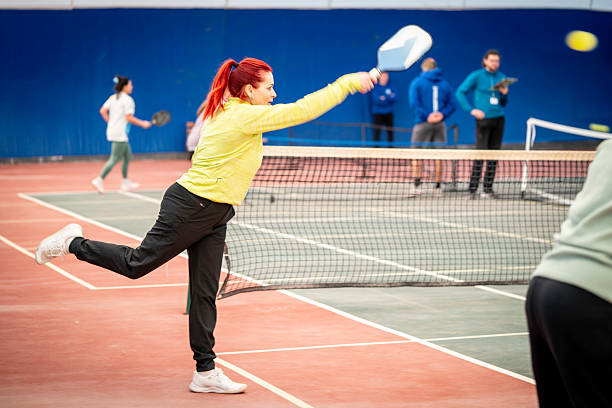
Preparing for Texas pickleball competitions requires a combination of physical conditioning, strategic planning, and mental readiness. Players should begin by developing a consistent training routine that focuses on improving agility, endurance, and hand-eye coordination. Pickleball demands quick reflexes and the ability to move swiftly across the court, so incorporating cardiovascular exercises like running or cycling alongside sport-specific drills can enhance overall performance. Practicing various shot techniques such as dinks, volleys, serves, and smashes is essential to build versatility during matches.
Understanding the rules specific to Texas pickleball tournaments is equally important. Familiarity with scoring systems, fault regulations, and court boundaries helps prevent unnecessary penalties during competition. Players should review official guidelines provided by tournament organizers or governing bodies before entering events. This knowledge reduces confusion on match day and allows participants to focus solely on their gameplay.
Selecting appropriate equipment tailored to individual playing styles contributes significantly to success in these contests. Paddles come in different weights and materials; lighter paddles offer increased maneuverability while heavier ones provide more power behind shots. Choosing comfortable shoes designed for lateral movements supports stability and minimizes injury risk on hard surfaces common in Texas venues.
Nutrition plays a vital role in maintaining energy levels throughout tournaments that click here often involve multiple games over several hours or days. A balanced diet rich in carbohydrates fuels muscles effectively while adequate hydration prevents fatigue and cramps during intense play sessions. Consuming easily digestible snacks before matches ensures sustained stamina without causing discomfort.
Mental preparation cannot be overlooked when gearing up for competitive pickleball environments where pressure mounts quickly. Developing focus through visualization techniques helps players anticipate opponents’ moves and react calmly under stress. Setting realistic goals for each match encourages steady progress rather than fixating solely on winning outcomes.
Participating in local leagues or practice groups provides valuable experience against diverse opponents with varying skill sets found across Texas regions. Regular competition sharpens tactical awareness by exposing players to different playing styles which aids adaptability during official tournaments.
Finally, rest periods incorporated into training schedules allow muscles time to recover preventing burnout prior to event days ensuring peak condition at the start of competitions held statewide from Houston’s indoor courts to Austin’s outdoor facilities.