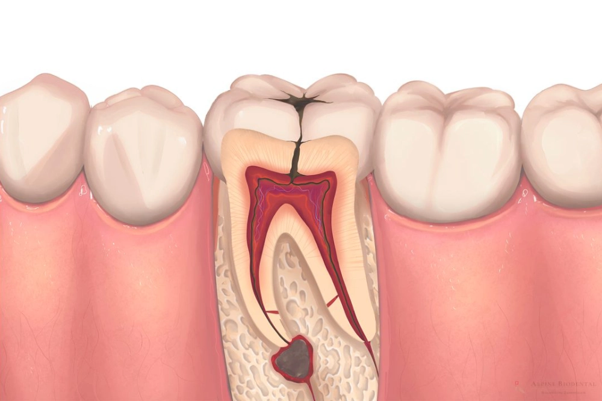
A root canal is a common dental procedure designed to save a tooth that has become infected or severely damaged. It involves removing infected pulp from inside the tooth, cleaning the canals, and sealing the space to prevent further infection. When recommended by a dental professional, this treatment is usually necessary to preserve oral health and prevent complications.
Many people postpone dental procedures because they hope the pain will go away on its own or because their symptoms seem manageable. However, a qualified Lake Mary dentist can explain that delaying treatment often allows the infection to progress, making the situation more serious and potentially more expensive to treat later.
If you have been advised to undergo a root canal in Lake Mary, understanding the risks of waiting can help you make an informed decision. Acting promptly can often save your natural tooth and protect your overall health.
The Infection Does Not Heal on Its Own
One of the biggest misconceptions about tooth infections is that they can disappear without professional treatment. While the pain may temporarily decrease, the infection itself usually remains active.
The pulp inside the tooth contains nerves and blood vessels. Once bacteria invade this area, the body’s natural defenses have limited ability to eliminate the infection. Without treatment, bacteria continue to multiply and spread deeper into surrounding tissues.
A temporary reduction in discomfort may simply indicate that the nerve inside the tooth has died, not that the problem has been resolved.
Pain and Discomfort Often Become Worse
A delayed root canal frequently leads to increasing pain. What begins as mild sensitivity to hot or cold foods can develop into persistent throbbing discomfort.
As the infection progresses, you may experience:
- Severe toothaches
- Pain while chewing
- Sensitivity to temperature changes
- Swelling around the affected tooth
- Tenderness in gums
The longer the infection remains untreated, the greater the likelihood of experiencing significant discomfort that affects daily activities such as eating, speaking, and sleeping.
The Infection Can Spread to Nearby Areas
An untreated dental infection rarely stays confined to a single tooth. Over time, bacteria can move into surrounding tissues, causing more extensive oral health problems.
The infection may spread to:
- Adjacent teeth
- Gum tissues
- Jawbone structures
- Facial tissues
This progression can lead to more complicated treatment requirements and longer recovery times. In some cases, patients develop noticeable facial swelling or recurring dental abscesses that require urgent attention.
You May Develop a Dental Abscess
A dental abscess is a pocket of pus caused by bacterial infection. It is one of the most common consequences of delaying root canal treatment.
Symptoms of a dental abscess may include:
- Severe, persistent tooth pain
- Swollen gums
- Bad taste in the mouth
- Fever
- Facial swelling
- Difficulty opening the mouth comfortably
An abscess can be extremely painful and often requires immediate dental intervention. Left untreated, it can create serious health concerns beyond the mouth.
The Risk of Tooth Loss Increases
The primary goal of root canal therapy is to save your natural tooth. When treatment is delayed for too long, the infection may destroy enough tooth structure and supporting bone that saving the tooth becomes impossible.
At that stage, extraction may become the only viable option. Losing a natural tooth can create additional challenges, including:
- Difficulty chewing
- Shifting of neighboring teeth
- Changes in bite alignment
- Increased need for restorative treatments
Replacing an extracted tooth often involves procedures such as dental implants, bridges, or dentures, which can be more extensive than the original root canal treatment.
Delaying Treatment Can Increase Costs
Many patients postpone treatment because they are concerned about expenses. Ironically, waiting often leads to higher overall costs.
A straightforward root canal is generally less expensive than managing advanced complications. If the infection spreads or the tooth cannot be saved, additional treatments may be required, including:
- Emergency dental visits
- Abscess drainage
- Tooth extraction
- Bone grafting procedures
- Tooth replacement solutions
Addressing the issue early can help minimize both treatment complexity and financial burden.
Oral Infections Can Affect Overall Health
Dental health and overall health are closely connected. Untreated infections in the mouth can place additional stress on the body’s immune system.
Research has shown links between oral infections and various systemic health concerns. While not every untreated tooth infection leads to serious medical complications, allowing bacteria to remain active in the body is never ideal.
Prompt treatment helps reduce bacterial spread and supports overall well-being.
Signs You Should Not Ignore
Certain symptoms indicate that immediate dental evaluation is necessary. These include persistent tooth pain, swelling around the gums, prolonged sensitivity, discoloration of a tooth, or the presence of a pimple-like bump on the gums.
Even if symptoms seem minor, early diagnosis can prevent more serious complications from developing.
Conclusion
Delaying a root canal treatment can lead to worsening pain, spreading infection, dental abscesses, tooth loss, increased treatment costs, and potential impacts on overall health. While it may be tempting to postpone care, doing so often allows the underlying problem to become more severe.
Seeking timely treatment gives you the best chance of preserving your natural tooth, avoiding complications, and maintaining a healthy smile. If your dentist has recommended a root canal, addressing the issue promptly is usually the safest and most effective course of action.
Leave a Reply